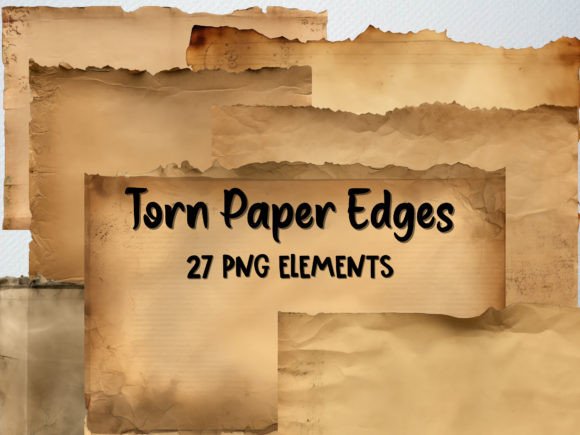
Torn Edge Paper Texture, 27 PNG: Strategic Use for Creative and Professional Design Projects
The Torn Edge Paper Texture, 27 PNG collection offers a versatile and high-quality resource for designers and creators who want to add organic, handcrafted appeal to their digital projects. This set of 27 digital images features realistic ripped-edged paper in PNG format with transparent backgrounds, making it ideal for layering into a wide range of visual designs. Whether you're working on wedding invitations, product packaging, or blog layouts, these textures can enhance your work with subtle authenticity and elegance.
Why Torn Edge Paper Texture Matters in Modern Design
In today’s design landscape, where digital perfection often dominates, the use of imperfections like torn edges can be a powerful differentiator. The Torn Edge Paper Texture, 27 PNG allows professionals to introduce an artisanal feel without compromising on quality or flexibility. These textures are especially valuable in branding and customer experience, where tactile and emotional elements play a crucial role in engagement.
Consider how a slightly irregular edge can make a business card stand out from mass-produced alternatives. Or how a textured background can give a blog post a more personal, handwritten tone. The key is not just using the texture, but doing so with intention. When applied thoughtfully, the Torn Edge Paper Texture, 27 PNG can elevate your message and create a stronger connection with your audience.
Strategic Applications Across Industries
- Wedding Invitations: Use torn-edge textures to craft a rustic or vintage aesthetic. They help evoke nostalgia and warmth, aligning with themes like country barns, bohemian weddings, or handmade ceremonies.
- Product Packaging: For eco-friendly or artisan products, incorporating torn paper textures can signal craftsmanship and sustainability. It's a small detail that makes a big impression on discerning customers.
- Branding and Marketing Materials: A brand looking to communicate authenticity might benefit from adding torn-edge visuals to brochures, posters, or social media templates. It subtly reinforces values like transparency, creativity, and human touch.
- Blog and Website Design: Bloggers and content creators can use these textures as overlays or headers to differentiate their platforms and build a unique visual identity.
- Freelance and Hobbyist Projects: From greeting cards to digital art prints, these PNG files offer endless creative possibilities for independent artists and makers.
Planning Thoughtful Integration of Torn Edge Textures
To maximize the impact of Torn Edge Paper Texture, 27 PNG, start by defining the purpose of your project. Ask yourself: What emotions do I want to evoke? What message am I trying to reinforce? How will this texture support the overall design strategy?
For example, if you're designing a logo for a local bakery, a torn-edge texture could complement a hand-drawn font or a chalkboard-style layout. It adds a sense of imperfection that feels intentional and charming — a perfect match for a community-focused brand.
Use Case Example: Wedding Invite Design
Imagine creating a digital wedding invitation for a couple planning a countryside elopement. You want the design to reflect the raw beauty of nature and the intimacy of the event. Using one of the Torn Edge Paper Texture, 27 PNG images as a background layer can instantly add depth and character. Pair it with soft typography and earthy color palettes to maintain consistency and coherence.
This approach ensures the texture supports the theme rather than distracts from it. The strategic placement of torn-edge elements can also guide the viewer’s eye and highlight important details like the date or location.
When and How to Use Torn Edge Paper Texture
The timing and method of applying these textures depend heavily on your target audience and the medium you’re using. Here are some practical guidelines:
- Align with Brand Identity: Only use the Torn Edge Paper Texture, 27 PNG when it complements your brand’s personality. If your brand is sleek and modern, a torn-edge texture may clash unless used sparingly as an accent.
- Match Project Goals: Think about whether the texture helps achieve your goal. Is it meant to evoke emotion? Build trust? Enhance readability? Ensure every design choice serves a clear objective.
- Balance Visual Elements: Avoid overusing the texture. Too many torn edges can lead to visual noise. Instead, focus on key areas such as headers, footers, or call-to-action sections to maintain clarity and impact.
- Optimize for Context: Consider the platform where the design will appear. On websites, ensure the texture doesn’t affect load times or legibility. In print materials, verify compatibility with printing standards and resolution requirements (the 300 dpi provided here is excellent for professional printing).
Design Tips for Maximum Effectiveness
- Layer Smartly: Place the texture behind text or icons to avoid competing for attention. Adjust opacity to blend seamlessly with other design elements.
- Combine with Other Assets: Mix torn-edge textures with watercolor brushes, ink strokes, or parchment effects for a cohesive look. These combinations can create rich, layered designs that stand apart.
- Test in Different Sizes: Since the textures are high-resolution, test them at various scales to see how they adapt. Some may work better as large overlays, while others are suitable for smaller accents.
- Respect Readability: Never let the texture overpower the content. Ensure that any text placed over it remains legible and accessible.
Risks of Random Application and Mitigation Strategies
While the Torn Edge Paper Texture, 27 PNG can add charm, using it randomly or without context can undermine your design goals. One common risk is inconsistency — mixing too many textures or styles can confuse your audience and dilute your message.
Another pitfall is poor scalability. Some torn-edge images may look great at full size but lose their effectiveness when resized. To mitigate this, always review each texture in the context of your final output before committing to its use.
Lastly, there’s the issue of perception. In certain industries, like finance or legal services, overly casual aesthetics may not align with the desired tone. Before using these textures, evaluate whether they’ll resonate with your audience and uphold your brand’s professionalism.
Decision-Making Framework for Texture Selection
- Define the Message: What does the torn edge represent in your design? Rustic? Authentic? Vintage?
- Assess the Audience: Will your viewers appreciate the texture or find it unprofessional? Test with sample groups if possible.
- Evaluate the Medium: Will the texture perform well in print, web, or mobile environments? Consider device compatibility and viewing distances.
- Review Brand Guidelines: Ensure the texture fits within existing visual identity systems or adapts to new ones without contradiction.
- Plan for Repetition: If you're using multiple textures across a campaign or website, develop a consistent style guide to maintain visual harmony.
Long-Term Value and Creative Possibilities
Investing in the Torn Edge Paper Texture, 27 PNG isn't just about immediate results; it's about building a toolkit that supports long-term creativity. As trends evolve, the ability to incorporate organic, handcrafted elements becomes increasingly valuable — particularly in niches like lifestyle brands, educational resources, and creative portfolios.
These textures also enable efficient prototyping. Rather than sourcing custom illustrations or hiring additional designers, you can quickly experiment with different looks using the pre-made PNG files. This boosts productivity while maintaining a high level of customization.
Real-World Scenarios Where Torn Edge Adds Value
- Event Branding: A boutique hotel hosting a wellness retreat might use torn-edge textures in promotional flyers to suggest a return to simplicity and natural living.
- Learning Resources: Educators creating downloadable study guides or worksheets can use these textures to make materials feel more engaging and less rigid.
- Small Business Launches: New businesses often need to establish a strong first impression. A well-placed torn-edge element in a brochure or landing page can convey authenticity and attention to detail.
- Freelance Portfolios: Graphic designers showcasing their work can use these textures to highlight hand-crafted projects or to create a consistent theme across their site.
Best Practices for Maximizing Impact
Here are several best practices to keep in mind when working with the Torn Edge Paper Texture, 27 PNG:
- Use Sparingly: Apply the texture only where it enhances the narrative. Overuse can diminish its effect and overwhelm the design.
- Customize the Look: Many design tools allow you to adjust colors, contrast, or blending modes. Don’t hesitate to tweak the texture to match your specific needs.
- Stay Consistent: Choose one or two dominant textures from the set and apply them consistently across all related materials to build recognition and cohesion.
- Test for Accessibility: Always check that the final design is accessible to users with visual impairments. High-contrast text over light textures is essential.
- Plan for Versatility: Design with adaptability in mind. Will the texture work in black and white? How does it translate across different cultural contexts?
How to Approach Texture Selection Strategically
Think of the Torn Edge Paper Texture, 27 PNG as part of a broader design language. Begin by selecting a few textures that align with your brand voice and then integrate them into your workflow gradually. Monitor how they perform in real-world applications and refine your approach based on feedback and outcomes.
Also, consider how the texture interacts with other assets. Does it pair well with your chosen fonts, colors, and imagery? Conducting small-scale tests before full implementation can save time and prevent misalignment later.
Conclusion
The Torn Edge Paper Texture, 27 PNG is more than just a decorative asset — it's a tool that can help you tell a story, connect with your audience, and elevate your design work. By approaching its use with strategy, you turn a simple graphic into a meaningful component of your communication plan.
Whether you're launching a new product, redesigning your blog, or crafting a special invitation, these textures offer a way to infuse warmth and character into your projects. But remember, the power lies in thoughtful application, not random decoration. Use them intentionally, and watch how they contribute to your long-term creative and professional success.