Vintage Wine Background: A Timeless Design Element for Creative and Professional Use
The Vintage Wine Background is more than just a decorative element—it’s a versatile digital asset that can elevate the visual appeal of a wide range of creative projects. With its rich, deep hues and intricate textures, this design offers a unique aesthetic that resonates with both nostalgia and sophistication. Whether you're working on a scrapbooking project, designing marketing materials, or creating planner stickers, the Vintage Wine Background provides an elegant backdrop that complements many styles and themes.
Characteristics of a Vintage Wine Background
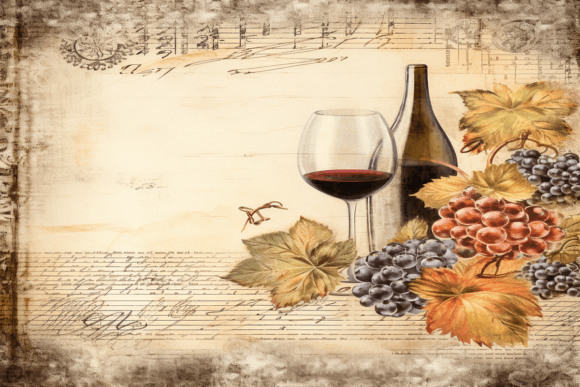
A high-quality Vintage Wine Background, such as those available in 1200 × 800 pixels PNG format at 300 dpi resolution, typically features muted tones, aged paper effects, or subtle patterns reminiscent of old wine labels and bottles. These characteristics make it ideal for designs seeking to evoke a sense of history, luxury, or tradition. The texture might include faint lines, grainy surfaces, or even vintage typography overlays, depending on the specific variant of the background provided.
Resolution and Format Considerations
When selecting a Vintage Wine Background, the technical specifications are crucial for ensuring quality output. The standard 1200 × 800 pixel size works well for digital displays and print-on-demand products alike. The PNG format ensures transparency options, allowing designers to layer text or graphics without worrying about unwanted borders or backgrounds. At 300 dpi, the image maintains clarity and sharpness, especially when printed onto fabric, stationery, or other physical media.
Applications Across Industries and Hobbies
The adaptability of the Vintage Wine Background makes it suitable for numerous applications. From small-scale craft projects to large-scale commercial ventures, its presence adds a touch of refinement and timelessness.
- Planner Stickers and Scrapbooking: The warm, earthy tones of a Vintage Wine Background pair beautifully with handwritten notes, photographs, and journaling elements. It brings a cohesive, stylish look to bullet journals and memory books, helping users create personalized pages that stand out.
- Web Design and Digital Media: In the world of web design, using a Vintage Wine Background can help establish a brand’s identity—especially for businesses in the food and beverage, hospitality, or artisanal product sectors. Its timeless feel enhances user experience by creating a visually engaging yet professional atmosphere.
- Invitations and Cardmaking: Wedding invitations, birthday cards, and event flyers benefit from the sophisticated charm of a Vintage Wine Background. It allows creators to craft unique, handcrafted-style designs that capture attention and convey elegance without overcomplicating the layout.
- Home Decor and Fabric Printing: The background can be used to print on canvas, pillows, or curtains, adding a refined touch to interior spaces. For hobbyists involved in upcycling or DIY home décor, it serves as a foundational pattern for custom wall art and textiles.
- Stationery and Business Cards: Small business owners often seek to differentiate their branding through thoughtful design choices. A Vintage Wine Background on letterhead or business cards can communicate professionalism while maintaining a distinct character that appeals to niche markets like boutique wineries or gourmet restaurants.
Examples of Real-World Use
Consider a local vineyard launching a new line of artisanal wines. By incorporating a Vintage Wine Background into their packaging and promotional materials, they can immediately connect with consumers who value heritage and authenticity. Similarly, educators preparing presentations on wine culture or history might use the background to set a thematic tone that supports the content being delivered.
Another example includes wedding planners who choose to feature the background in save-the-dates and thank-you cards. The design not only looks beautiful but also aligns with rustic or vintage-themed events, making it a practical choice for themed decor and printed materials.
Advantages of Using a Vintage Wine Background
One of the key advantages of the Vintage Wine Background is its ability to blend seamlessly into various design contexts. Unlike bold or overly stylized images, it doesn’t distract but instead frames the content in a way that enhances readability and visual harmony.
- Ease of Customization: Due to its neutral base and subtle detailing, the background is highly customizable. Designers can easily overlay text, illustrations, or photographs without compromising legibility or aesthetics.
- Professional Quality: The 300 dpi resolution ensures crisp printing, which is essential for any tangible product. This level of detail is particularly important in high-end items like leather-bound notebooks or premium greeting cards.
- Timeless Appeal: Vintage designs have enduring popularity because they transcend fleeting trends. A Vintage Wine Background can be reused across multiple projects without feeling outdated, offering long-term value to users.
- Creative Versatility: The same background can be adapted for both digital and print formats. It’s equally effective as a desktop wallpaper, website banner, or as part of a collage in a mixed-media art piece.
Use Cases for Educators and Researchers
Educators and researchers in fields like oenology (the study of wine), history, or cultural studies may find the Vintage Wine Background useful for classroom posters, infographics, or educational websites. It helps create an immersive learning environment where the visual style reinforces the subject matter.
Choosing the Right Vintage Wine Background for Your Project
With so many potential uses, it's important to select the appropriate Vintage Wine Background based on your specific needs. Here are some considerations to keep in mind:
- Color Palette: Ensure the background’s color scheme complements your primary content. If your text is dark, a lighter-toned Vintage Wine Background will provide better contrast and readability.
- Texture Level: Some versions of the background come with pronounced textures, while others are smoother. Choose one that matches the overall tone of your design—rougher textures suit handmade crafts, while smoother ones work better for clean digital layouts.
- Theme Consistency: Align the background with the broader theme of your project. A rustic wine label design might pair well with wooden textures, whereas a modern take could incorporate minimalist gradients inspired by wine bottle glass.
- Printing Compatibility: If your project involves print, confirm that the background file is compatible with your printer settings. The PNG format with transparency is often preferred for layered prints, but JPEG may be suitable for simpler applications.
Tools and Workflows for Effective Implementation
Designers can integrate the Vintage Wine Background into their workflow using popular software like Adobe Photoshop, Canva, or GIMP. Layer masks and blending modes are particularly helpful in adjusting how the background interacts with other design elements. For web developers, embedding the background in CSS using transparent PNG files ensures flexibility in responsive design and cross-browser compatibility.
Trends and Innovations in Vintage-Inspired Design
In recent years, there has been a growing appreciation for vintage aesthetics in both personal and professional design. The Vintage Wine Background taps into this trend, offering a bridge between historical inspiration and modern usability. As more consumers gravitate toward authenticity and craftsmanship, designers who incorporate such elements gain a competitive edge.
Additionally, the rise of hybrid events and online marketplaces has increased demand for versatile digital assets. A single Vintage Wine Background can serve as the foundation for both digital banners and printed collateral, streamlining the design process for event planners and entrepreneurs alike.
Comparative Insights: Vintage vs. Modern Backgrounds
While modern design trends often favor minimalism and flat colors, the Vintage Wine Background introduces warmth and depth that many digital-only visuals lack. It doesn't replace contemporary styles but rather complements them, offering a unique alternative for those looking to add character to their work. For instance, a modern logo placed against a Vintage Wine Background can create a striking contrast that highlights both the simplicity of the logo and the richness of the background.
Creating with Purpose: Best Practices for Designers
To get the most out of the Vintage Wine Background, consider the following best practices:
- Layer Thoughtfully: Use the background as a base layer and build upon it with carefully chosen fonts, icons, and imagery. Avoid cluttering the design to maintain balance and focus.
- Contrast Matters: Select colors and fonts that stand out against the background. Dark, serif fonts often work well for a classic look, while bright, sans-serif typefaces can offer a fresh twist on traditional themes.
- Test Across Mediums: Before finalizing a design, preview it on different screens and in print. Adjust opacity or add overlays if needed to ensure visibility and impact.
- Respect Licensing Terms: When downloading a Vintage Wine Background, always check the licensing agreement to determine whether it can be used commercially or requires attribution. Understanding these terms prevents legal issues down the line.
Observations from the Field
Many creators have reported that using a Vintage Wine Background significantly reduces the need for additional design elements. The background itself acts as a visual anchor, guiding the viewer’s eye naturally through the composition. This effect is particularly noticeable in scrapbook albums and planner inserts, where the background becomes part of the storytelling process.
Why Vintage Wine Background is Valuable for Business Owners
Business owners in the food, beverage, and lifestyle industries often struggle to find the right visual language for their brand. A Vintage Wine Background can help solve this by offering a consistent, evocative design element that communicates quality and tradition. It can be used in logos, packaging, social media posts, and even branded merchandise like mugs or tote bags.
Moreover, the background lends itself well to seasonal promotions or limited-edition releases. A holiday-themed card with a Vintage Wine Background can evoke a sense of celebration and exclusivity, encouraging customer engagement and loyalty.
Custom Projects and Niche Markets
For independent artists and small businesses targeting niche audiences, the Vintage Wine Background is a powerful tool. It allows them to craft bespoke products that speak directly to their customers’ tastes. For example, a boutique winery might use the background in their tasting room signage to reinforce a rustic, artisanal vibe. Similarly, a coffee shop specializing in vintage-inspired lattes might use it for their menu boards or branded cups.
Conclusion
The Vintage Wine Background is a valuable resource for anyone involved in design, education, crafting, or branding. Its combination of visual richness, technical quality, and thematic versatility makes it a go-to choice for professionals and hobbyists alike. By understanding its characteristics, applications, and best practices, users can harness its full potential to enhance their creative outputs and connect more deeply with their audience.